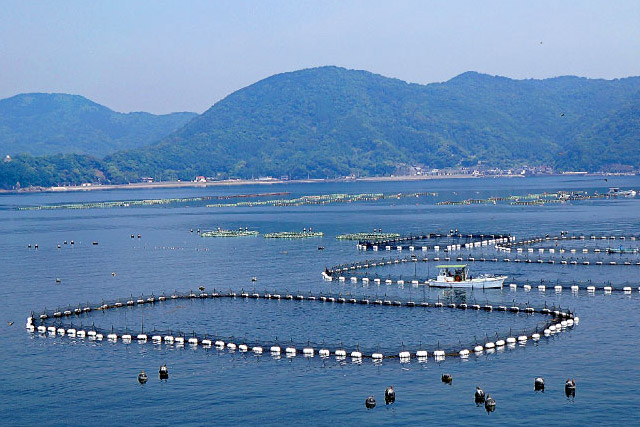
Farming the Future: Securing Sanma for Generations
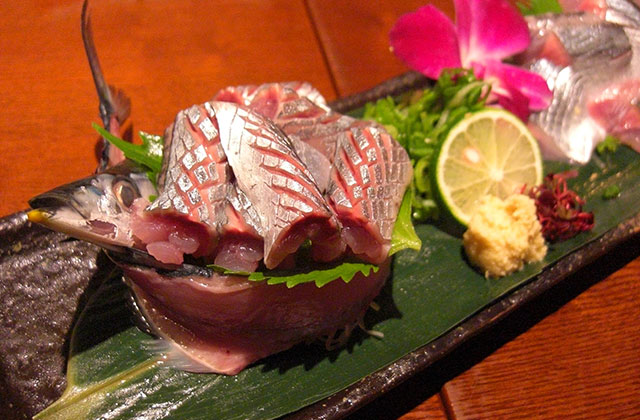
For generations, Pacific saury—known in Japan as sanma—has signaled the arrival of autumn. The glimmering silver fish, often grilled with salt and served alongside grated daikon, is one of the most familiar and cherished flavors in Japanese cuisine. Its sword-like shape gives rise to its kanji name, “秋刀魚” (literally “autumn sword fish”). Families and restaurants alike look forward to its arrival each year, savoring the plump, fatty flesh, crispy skin, and refreshing citrus aroma that define the quintessential autumn meal.
In recent years, reports have noted a sharp decline in sanma catches, from around 355,000 tons in 2008 to roughly 20,000 tons in 2021. This trend, often linked to factors such as climate change and rising sea temperatures, has raised concerns about the fish’s availability and the long-standing tradition of enjoying sanma in autumn. Prices have soared nearly tenfold, placing pressure on communities that have long celebrated the seasonal harvest. Maruha Nichiro turned to aquaculture as a way to sustain sanma populations and preserve this cultural staple.
In October 2023, Maruha Nichiro began experimental research in collaboration with the Fukushima Marine Science Museum. The museum, which has successfully displayed and bred sanma in tanks since 2000, provided eggs and expertise in the fish’s ecology and rearing techniques. The collaboration began when the museum provided saury eggs, following earlier interaction through the collection of display fish. Together, the two organizations advanced research toward a sustainable “egg-to-harvest” farming process, combining the museum’s knowledge of sanma biology with Maruha Nichiro’s aquaculture expertise.
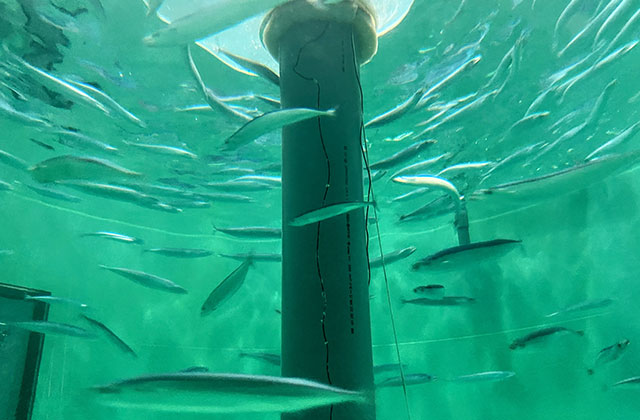
Sanma are notoriously delicate. They are easily startled by changes in their environment, such as light, and can collide with tank walls or nets, often resulting in fatal injuries. Their scales are easily lost, and outdoor net pens expose them to rough seas, currents, and other hazards. These sensitivities make sanma one of the most challenging species to raise in captivity. Drawing on nearly 60 years of experience with species such as bluefin tuna, yellowtail, and red sea bream, Maruha Nichiro approached the project with careful observation, incremental experimentation, and patience.
Through repeated trials, the team reached a significant milestone. By June 2024, sanma had grown to over 100 grams—the target shipping size—at commercial-scale densities. In August 2024, artificial insemination techniques were successfully applied, allowing the selection of fish with desirable traits such as rapid growth and disease resistance. Research continues toward egg-to-harvest aquaculture, raising eggs from farmed parent fish to adulthood, which would enable a stable supply independent of wild population fluctuations.
The controlled environment of aquaculture also brings additional benefits. Farmed sanma can be supplied beyond the traditional autumn season. Moreover, by raising them from the egg stage in a fully controlled environment using sterilized seawater and contamination-free feed, concerns about parasites such as Anisakis are eliminated, making safe raw consumption possible. Taste and nutritional content can also be managed, providing more consistent quality and opening the door to new culinary experiences.
Beyond the technical achievement, this initiative demonstrates a commitment to preserving both natural resources and cultural heritage. Farming sanma helps ensure that future generations can continue to enjoy the simple joys of autumn: the sizzling aroma of salt-grilled sanma, shared meals that celebrate nature’s bounty, and the experience of seasonality that has long been part of Japanese life.
Sanma aquaculture is more than a business endeavor—it is a way to maintain a connection between people, food, and the seasons. By continuing research and trial production in collaboration with the Fukushima Marine Science Museum, Maruha Nichiro is refining techniques for feeding, rearing, and breeding sanma, with the goal of achieving egg-to-harvest aquaculture. This approach helps reduce pressure on wild populations while building the expertise needed for future commercial production.
By showing that sanma can be raised from eggs to adulthood, Maruha Nichiro is building the foundation for a stable, high-quality supply while helping preserve Japan’s seasonal food culture. For the ocean, for life.For the ocean, for life — and for the challenges still ahead.

December 2025