JA
JA
Safeguarding Saury’s Future—Inspired by an Employee
As with many innovations, the concept of developing egg-to-harvest aquaculture began with the passion of a single individual.
According to Kiryu, the project took shape and gathered momentum because Maruha Nichiro fosters a corporate culture that encourages employees to pursue new challenges, supported by an internal recruitment system and cross-departmental initiatives.
“The initial spark,” Kiryu says, “came from the company's SAKANA X (Sakana Cross) initiative to encourage employees to view fish from new perspectives and imagine new value and possibilities. One of our younger employees, who came from a family that operated a fishery using the old fishing weir method, was particularly eager to achieve full egg-to-harvest aquaculture of Pacific saury.”
“Until about 10 or 20 years ago,” he continues, “saury was so abundant and inexpensive that research on farming the species progressed very little. However, Pacific saury catches have fallen to record lows in recent years, and we had begun considering what action to take, since we believe it is Maruha Nichiro’s responsibility to do all in our power to support sustainable food production and supply. The proposal from that one employee prompted us to begin research and development to turn the idea into a reality.”
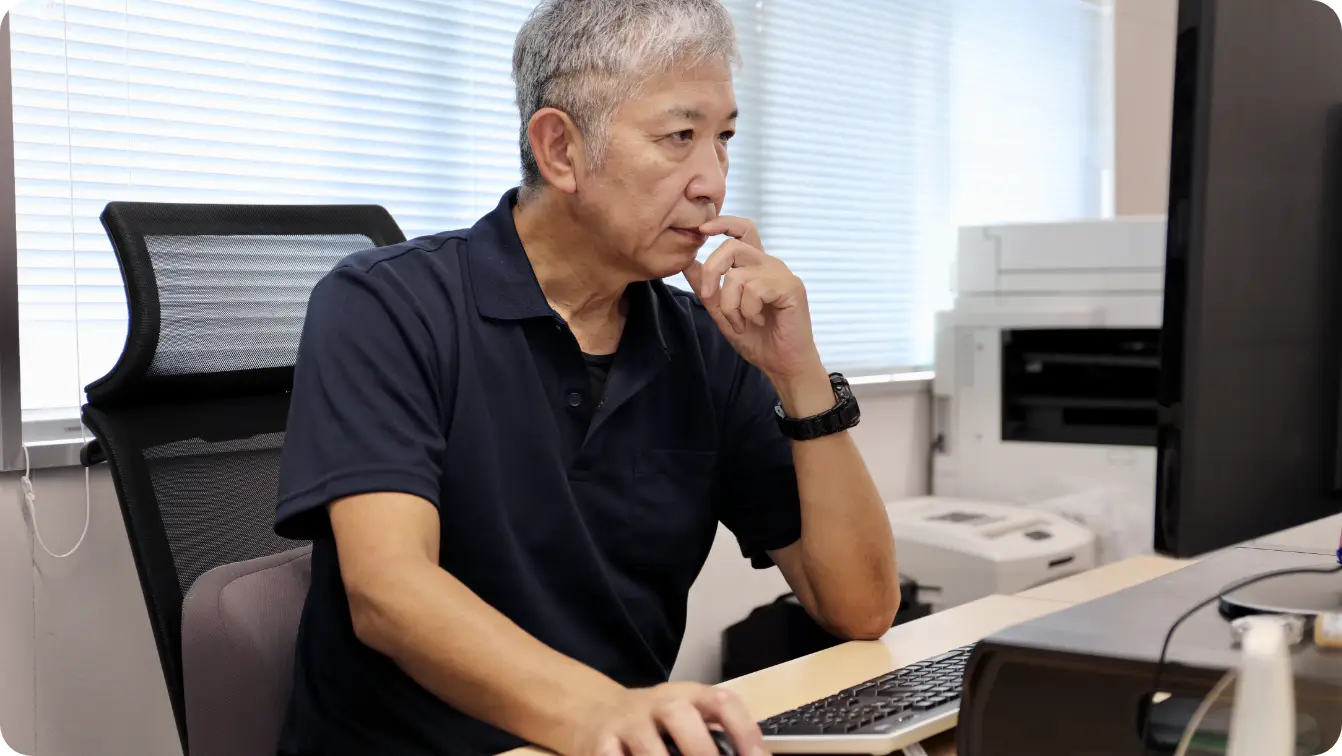
Maruha Nichiro is addressing the social issue of depleting saury resources
Maruha Nichiro has declared that it is transforming from a comprehensive food company into a solutions company addressing social issues around the world. The decline in saury resources is exactly the type of challenge that we must address, and saury aquaculture aligns perfectly with our corporate purpose of “For the ocean, for life.”
Kiryu says, “Climate change is an undeniable reality that is making it increasingly difficult to harvest the ocean’s bounty using only conventional fishing methods. We view Pacific saury aquaculture as one solution to this challenge. Rather than relying solely on the ocean, we can create a controlled environment that reduces pressure on marine resources while ensuring stable saury production. By establishing a new balance between people and the ocean, we aim to preserve both the vitality of the ocean and the lives of those who benefit from its bounty.”
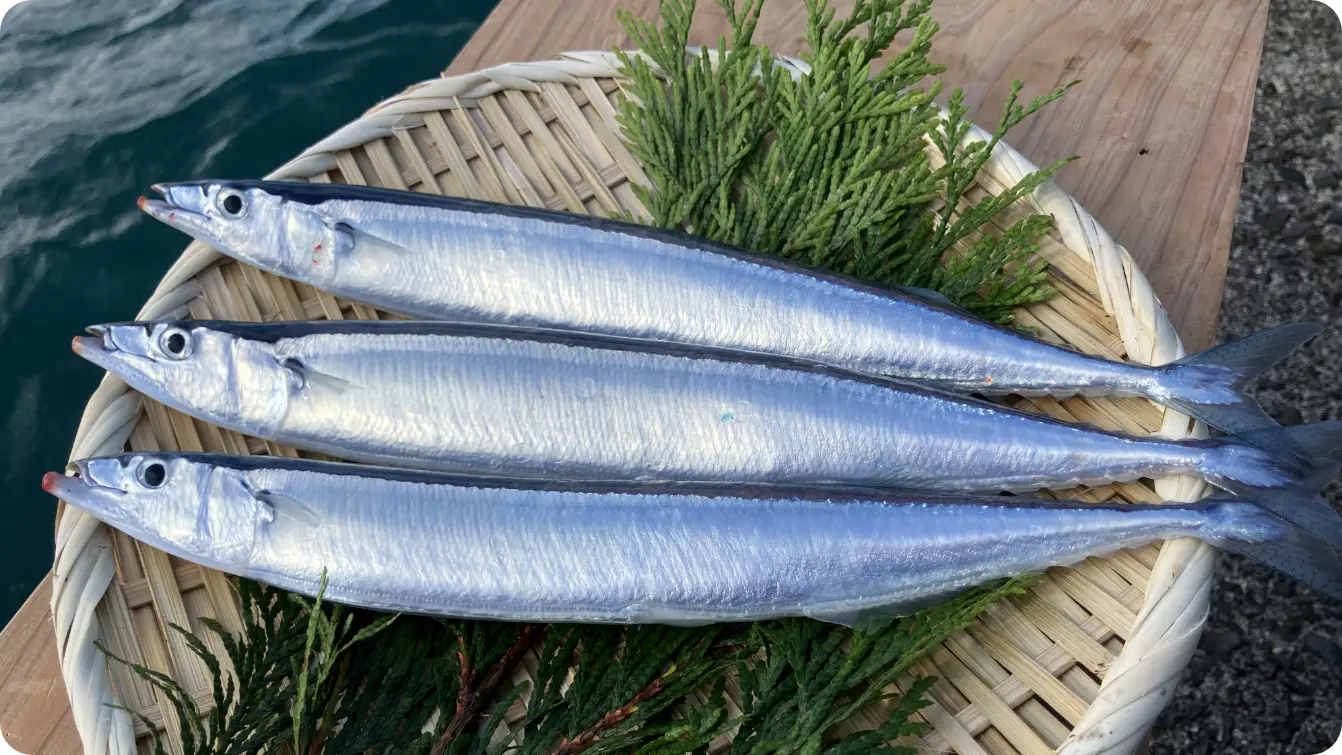
Protecting food culture, fishing industry, and the marine environment
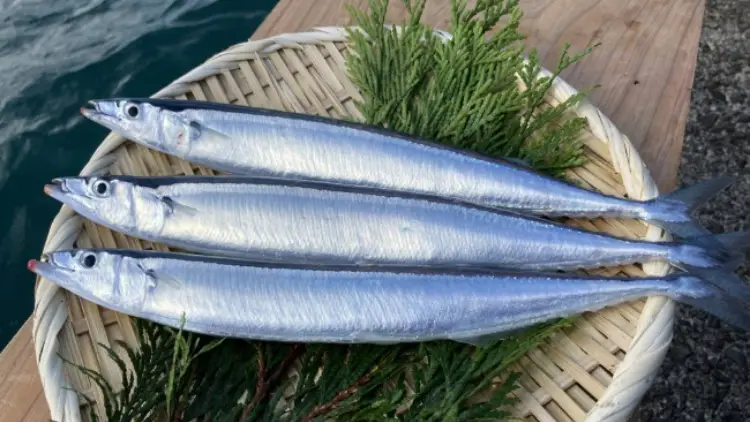
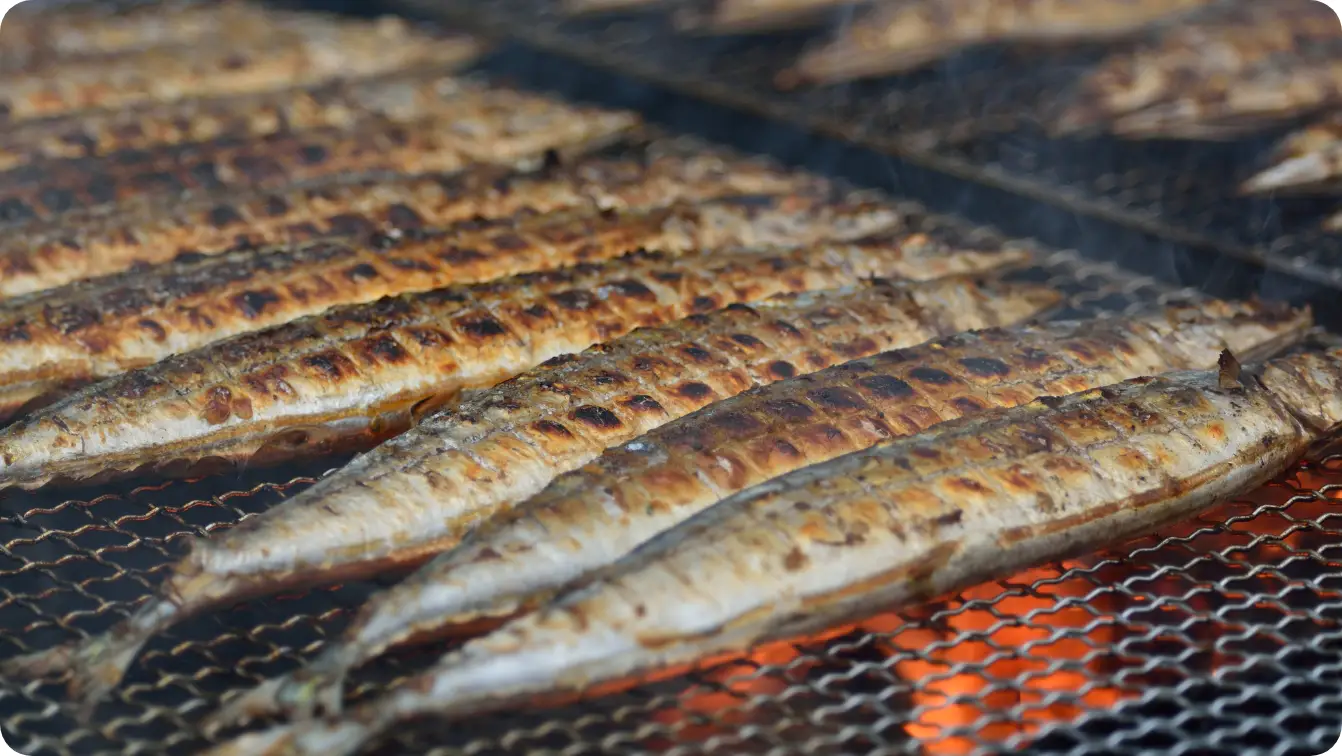
Pacific saury, known as sanma in Japan, is cherished not only for its rich flavor, but also for its deep ties to Japanese cultural identity and tradition. Valued since ancient times, saury appears in the classic comic rakugo story Meguro no Sanma (The Saury of Meguro), serves as a seasonal word in haiku poetry, and is a familiar presence in family life, as depicted in Yasujiro Ozu’s film An Autumn Afternoon. At the heart of this project is a commitment to preserving saury’s place in Japanese culture for the future.
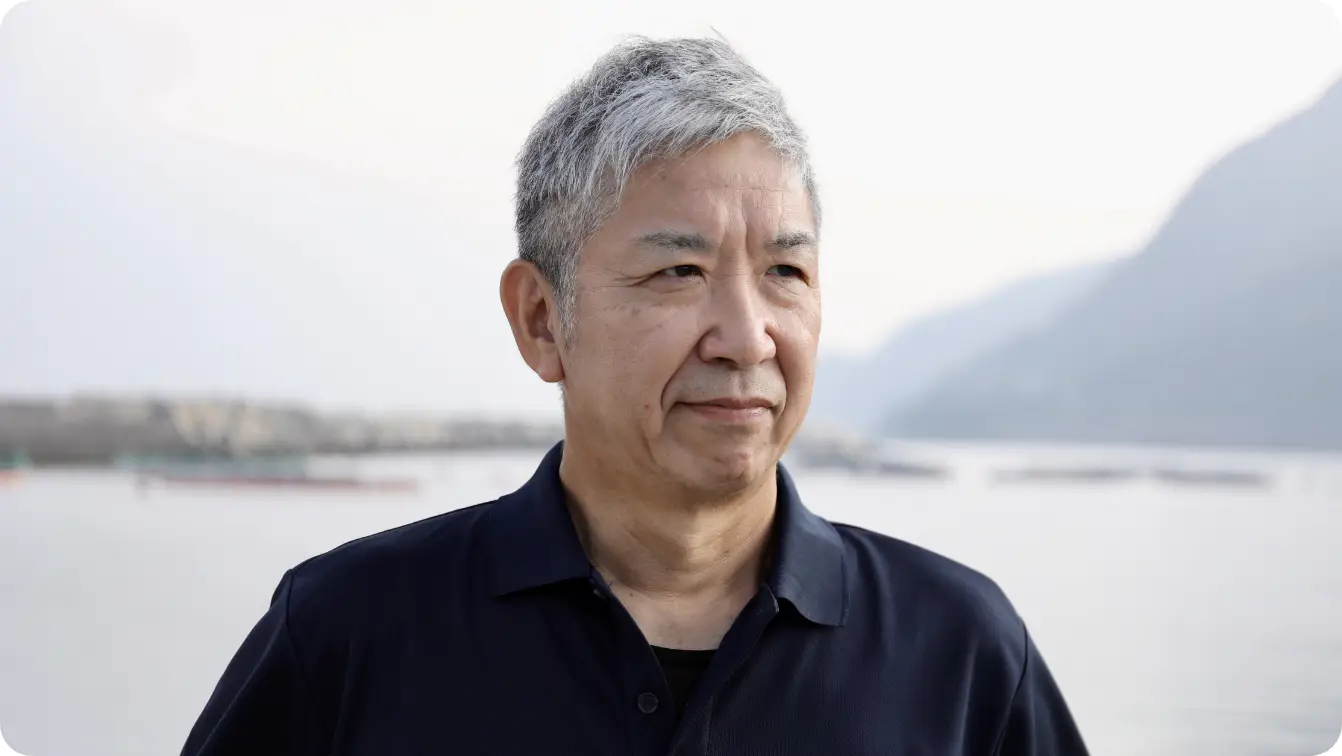
Protect what is important—Japan's food culture, the fishing industry, and the marine environment. Kiryu expresses his desire to safeguard saury on multiple levels and the strong sense of responsibility he feels to ensure the project’s success.
“It is not likely that the saury catch will suddenly end,” Kiryu says. “However, as the saury population dwindles and prices rise because the fishing industry cannot maintain stable catch rates, saury will inevitably become less common as a standard autumn dish, and the tradition of eating saury would gradually disappear. We want to do everything we can to prevent that from happening.”
Doing “everything we can” goes beyond simply replacing wild Pacific saury,” Kiryu adds. “Solving problems isn’t only about turning negatives into zeros. Our aquaculture must do more than compensate for lost supply; it has to create new value that can only be achieved through aquaculture.”
For example, when the Pacific saury catch is low, aquaculture can ensure a sufficient supply for consumers, while during abundant catches, the natural harvest can be showcased as “fresh catch.” Rather than competitors or rivals, Kiryu says he hopes to establish a mutually beneficial relationship where both sides work together to provide a richer dining experience for consumers.
"Technology that snuggles up to the fish" that made the impossible possible
Aquaculture was long considered unachievable for Pacific saury due to its fragility and largely unknown ecology. How did you overcome these seemingly impossible barriers?
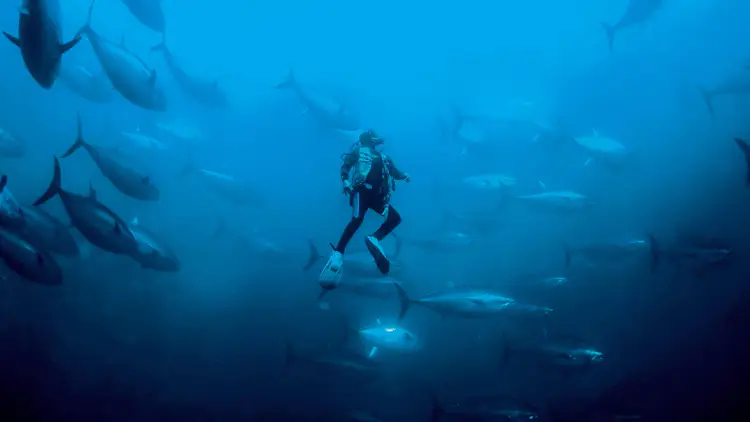
“We have been farming bluefin tuna for many years,” Kiryu explains. “Like saury, bluefin tuna is extremely sensitive to its environment. We adapted technologies developed for bluefin tuna farming to improve the survival rate of saury in captivity. A key factor was understanding conditions from the fish’s perspective, learning how not to startle them and avoiding sudden changes in their environment. We also devoted significant effort to managing water quality to prevent disease and to developing the optimal feed.”
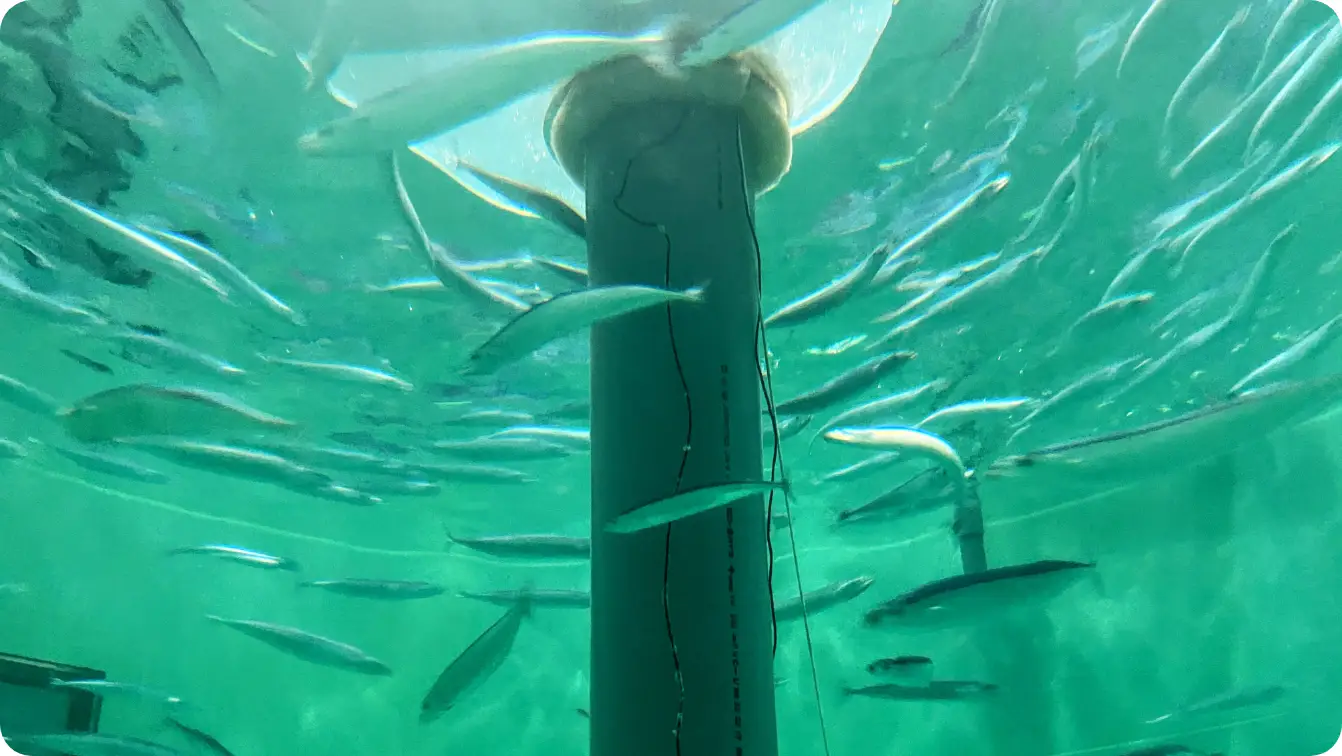
The center’s deep dive into fish ecology and careful refinement of technologies to minimize stress paved the way for Pacific saury aquaculture. Kiryu takes pride in the persistent research made it possible to harvest saury with fat content and flavor that match or exceed that of ocean-caught fish at their peak season.
Kiryu says, “Aquaculture offers a clear advantage in freshness. Farmed fish are landed alive and can be shipped immediately. In addition, feeding is stopped before shipment, which makes the fish less bitter when grilled with salt. Perhaps the greatest benefit will be the ability to enjoy eating raw saury because they will be free from the anisakis parasite.”
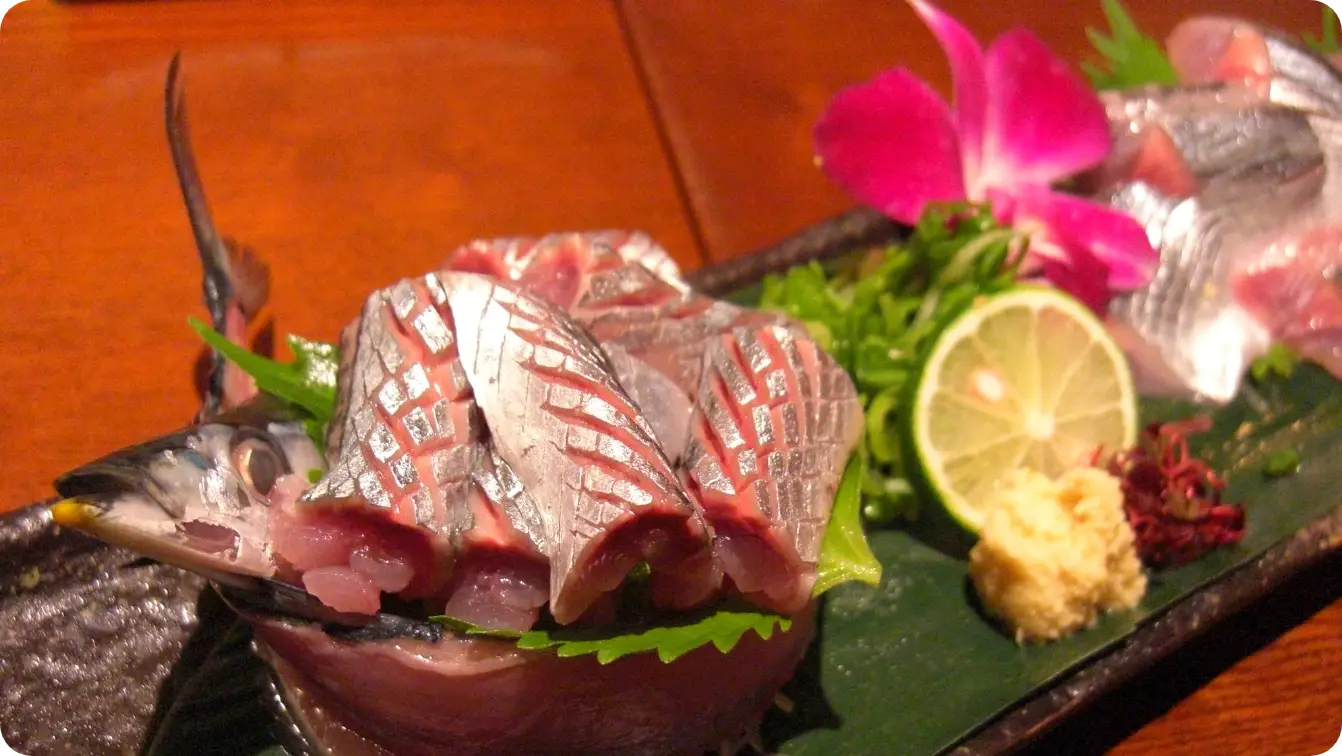
The anisakis parasite infests shellfish and wild fish, like the Pacific saury, and can cause food poisoning in humans. Fully controlled aquaculture has the potential to completely break the anisakis infection cycle by raising fish from egg-to-harvest in an environment fully isolated from external influences, using only sterilized seawater, and carefully managed feed.
“Creating a complete aquaculture cycle beginning with eggs in sterilized seawater would ensure no anisakis is present. I believe it will not be long before we can deliver saury that is completely anisakis-free,” says Kiryu.
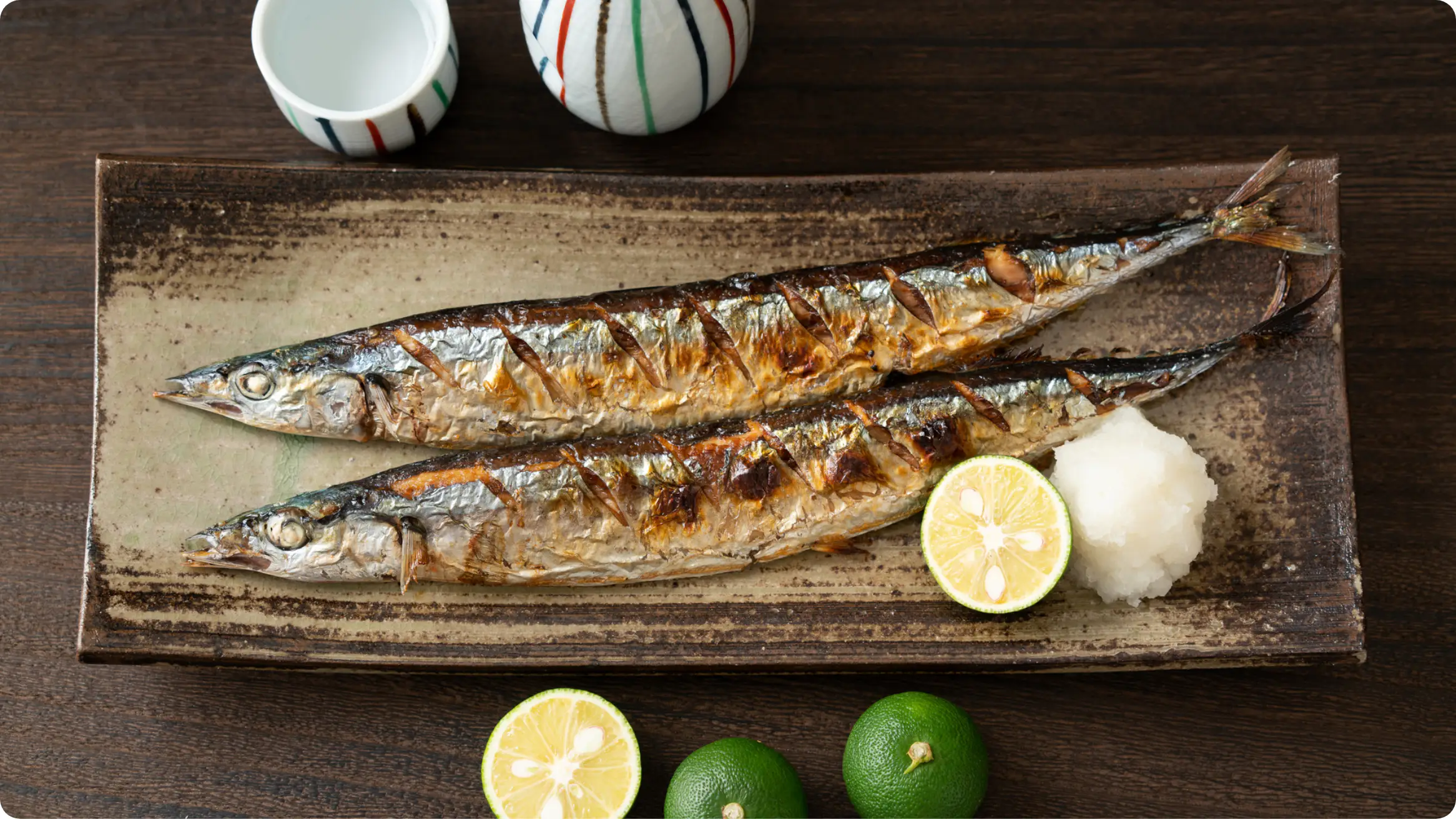
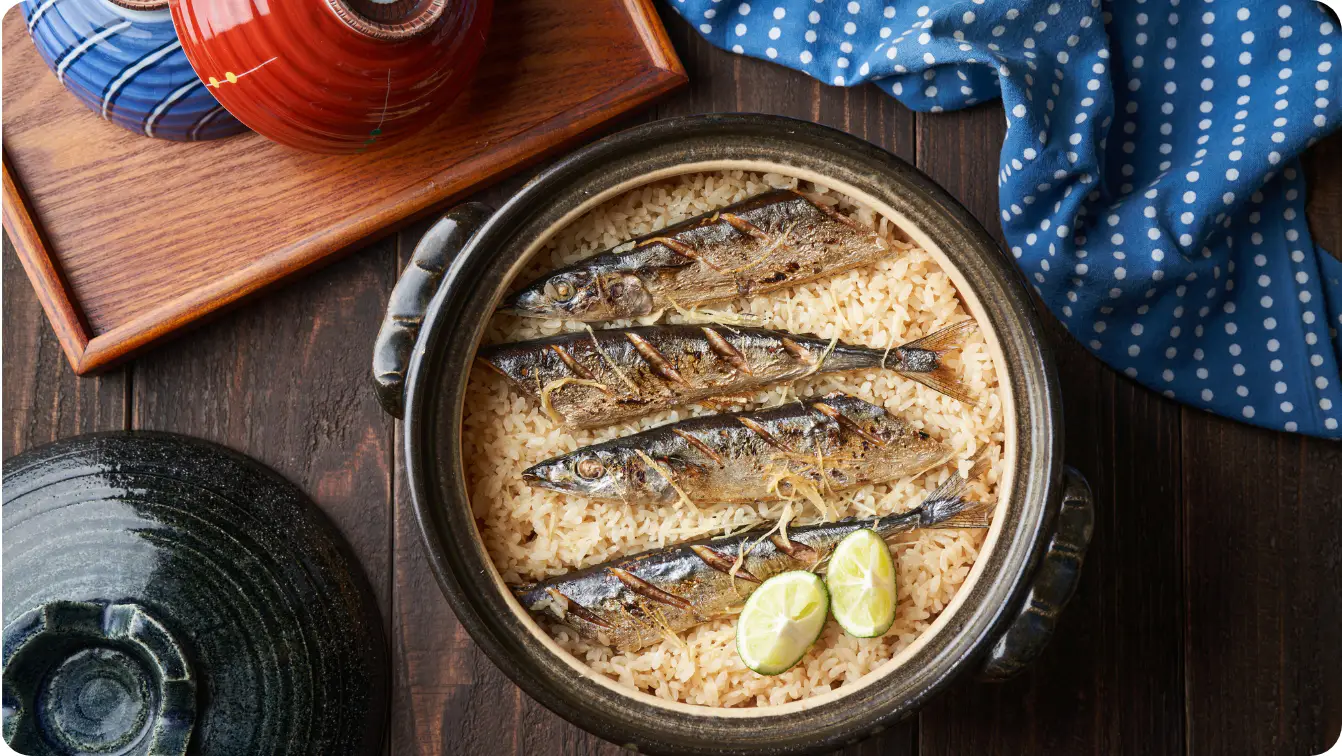
For centuries, saury has been enjoyed grilled, but this new technology opens the flood gates for serving it as sashimi and sushi. That will be a revolutionary development for saury in Japanese food culture.
Setting the new standard
The challenge has only just begun, yet Kiryu is looking confidently toward the future.
“We are continuing research and development while keeping costs in mind, and are aiming to achieve commercialization within a few years. We are eager to share the new saury with everyone as soon as possible.”
Kiryu is fully dedicated to carrying Japan’s food culture into the future by delivering the ocean’s bountiful gifts of wild-caught seafood during peak fishing seasons and supplying a reliable source of consistently high-quality farmed seafood that can be enjoyed anytime. Maruha Nichiro envisions a future where both options thrive side by side to continue enriching Japanese food experience.
Inspired by an employee’s passion, the saury aquaculture project is the crystallization of the Maruha Nichiro technology and philosophy, dedicated to the ocean, fish, and people. The project is reviving an autumn tradition on the brink of perishing and a major step forward “For the ocean, for life.”